

As a logistics coordinator or freight forwarder, one of the biggest challenges is working with cargo data that’s incomplete or inaccurate. It might seem minor—but when you’re moving complex, high-value equipment, those details matter.
Dimensions, weights, packaging types, lifting points—these shape how we quote, route, and handle shipments. And when they’re off, the ripple effect can be costly.
Here’s what tends to go wrong:
- Quotes fall apart – If the cargo is larger or heavier than expected, the original quote no longer holds. That means rebooking, reworking, and often, paying more.
- Transport options disappear – Tight timelines and inaccurate data can mean preferred modes—like breakbulk or flat-rack—are no longer available. We’re left scrambling for alternatives, often at a higher cost.
- Compliance gets messy – Customs paperwork and permits rely on accurate data. If it’s wrong, we risk delays, fines, or cargo being held at port.
- Handling becomes risky – Without proper lifting instructions or packaging details, we’re relying on guesswork—not ideal with sensitive or oversized equipment
- Projects get delayed- Every correction takes time. And when we’re already up against it, delays can push back installation dates, crew schedules, and even contractual milestones.
Engage Early, Plan Smarter:
One of the most valuable lessons I’ve learned is the importance of engaging with forwarders early—not just when the cargo is ready, but during planning.
Understand transport limitations:
Container sizes, aircraft dimensions, vessel capacities—these shape how we package and plan. Knowing them upfront avoids last-minute surprises.
Plan packaging around reality:
It’s easy to design packaging based on what fits in the warehouse. But if it doesn’t fit the transport mode, we’re back to square one.
Build realistic timelines and budgets:
Early input from forwarders helps forecast costs and transit times more accurately, reducing the risk of budget overruns or missed deadlines. What’s helped us?
Provide clear, simple cargo details:
Dimensions, weights, packaging type, lifting points, and photos—these basics go a long way. Even a simple cargo data sheet can save hours.
Get specs early:
Asking for preliminary data before booking helps catch issues before they become problems.
Loop in engineering and operations:
In energy logistics, cargo often comes from technical teams. Making sure logistics is part of that conversation helps ensure the data is usable and accurate.
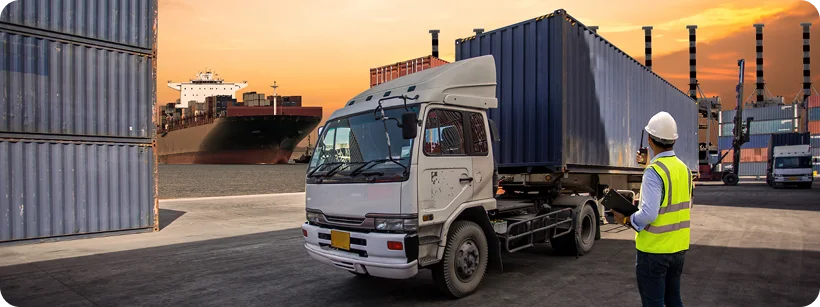
Cargo data isn’t just admin, it’s the foundation of the shipment. Getting it right early means fewer surprises, smoother execution, and better outcomes for everyone involved.
If you’ve had similar experiences or have tips that work for your team, I’d love to hear them.